Archives
- 2026-06
- 2026-05
- 2026-04
- 2026-03
- 2026-02
- 2026-01
- 2025-12
- 2025-11
- 2025-10
- 2025-09
- 2025-04
- 2025-03
- 2025-02
- 2025-01
- 2024-12
- 2024-11
- 2024-10
- 2024-09
- 2024-08
- 2024-07
- 2024-06
- 2024-05
- 2024-04
- 2024-03
- 2024-02
- 2024-01
- 2023-12
- 2023-11
- 2023-10
- 2023-09
- 2023-08
- 2023-07
- 2023-06
- 2023-05
- 2023-04
- 2023-03
- 2023-02
- 2023-01
- 2022-12
- 2022-11
- 2022-10
- 2022-09
- 2022-08
- 2022-07
- 2022-06
- 2022-05
- 2022-04
- 2022-03
- 2022-02
- 2022-01
- 2021-12
- 2021-11
- 2021-10
- 2021-09
- 2021-08
- 2021-07
- 2021-06
- 2021-05
- 2021-04
- 2021-03
- 2021-02
- 2021-01
- 2020-12
- 2020-11
- 2020-10
- 2020-09
- 2020-08
- 2020-07
- 2020-06
- 2020-05
- 2020-04
- 2020-03
- 2020-02
- 2020-01
- 2019-12
- 2019-11
- 2019-10
- 2019-09
- 2019-08
- 2019-07
- 2019-06
- 2019-05
- 2019-04
- 2018-07
-
br Introduction Glucose homeostasis is primarily
2022-06-15
Introduction Glucose homeostasis is primarily regulated by the hormones insulin and glucagon, secreted from the pancreatic islets of Langerhans. Although insulin produced by β HMPL-013 is the blood glucose-lowering hormone, glucagon secreted from α cells acts as the major counter-regulatory horm
-
The structural modelling studies gave a view of arsenic
2022-06-15

The structural modelling studies gave a view of arsenic mediated covalent modifications possible in Cx43. In order to look for the biochemical effects of Arsenic on Cx43 and Cx43 mediated GJIC formation, and in order to further decipher the mechanism involved in Arsenic induced decreases in expressi
-
Introduction Osteoclasts are large multinuclear cells that
2022-06-15

Introduction Osteoclasts are large, multinuclear Melittin synthesis that are responsible for the resorption (breakdown) of bone [1]. Together with osteoblasts, the bone forming cell, they maintain the integrity of the skeleton through constant resorption and repair of bone. Osteoclast precursors of
-
br STAR Methods br Acknowledgments We
2022-06-15
STAR★Methods Acknowledgments We would like to thank V. Gladyshev (Harvard), H. Kornblum (UCLA), L. Greene (Columbia), and J. Baraban (Johns Hopkins) for constructive comments to the project and manuscript. We thank L. Gross and A. Kumar for assistance with editing. We thank L.M. Gerber and Z.
-
nvp-aew541 In Apicomplexan parasites such as Toxoplasma gond
2022-06-15
In Apicomplexan parasites such as Toxoplasma gondii isoprenoids are biosynthesized through the DOXP/MEP pathway as illustrated in Scheme 2. In addition, T. gondii possesses a bifunctional FPPS/GGPPS (TgFPPS) that is able to catalyze the formation of both FPP and GGPP.5, 6 The FPPS gene appears to be
-
Loss of EZH function as a consequence
2022-06-15
Loss of EZH2 function as a consequence of nonsense or frameshift mutations has also been detected in a cohort study conducted by Jankowska et al. in chronic myelomonocytic leukemia (CMML) patients, as an early event in cancer development [43]. Although, a recent study in Japan described increased le
-
br Acknowledgments This study was financially supported
2022-06-15
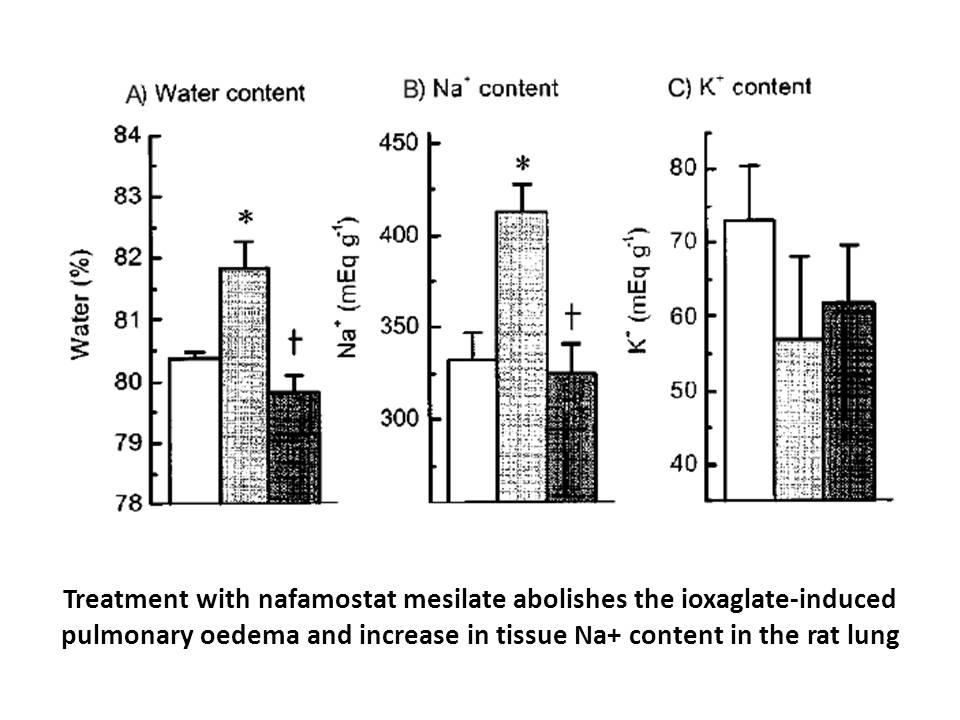
Acknowledgments This study was financially supported by National Science Center Poland grant No DEC-2011/02/A/NZ4/00031 (KKK), Jagiellonian University Medical College (Poland) grants: K/ZDS/007130 (SM) and K/ZDS/007131 (SM), COST Action CA15135 (DŁ, HS, KKK) and DFG INST 208/664-1 FUGG (HS). Than
-
AZD2014 receptor Taken together our results indicate that HS
2022-06-15
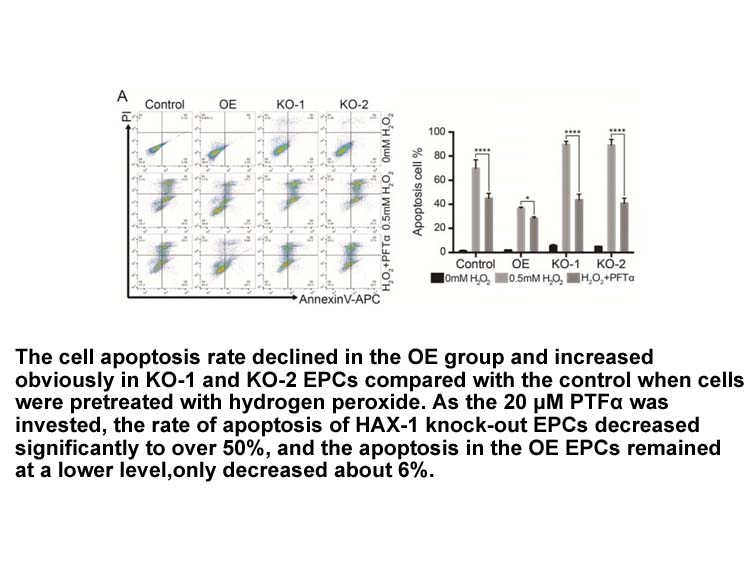
Taken together, our results indicate that HSF1 and NRF2 reciprocally regulate HO-1 expression. Although each of HSF1 and NRF2 controls a distinct cytoprotective pathway, mounting evidence points that they engage in crosstalk [15,22]. The protein-protein interaction between HSF1 and NRF2 may be inter
-
Toxoplasma gondii is an exceptionally
2022-06-15
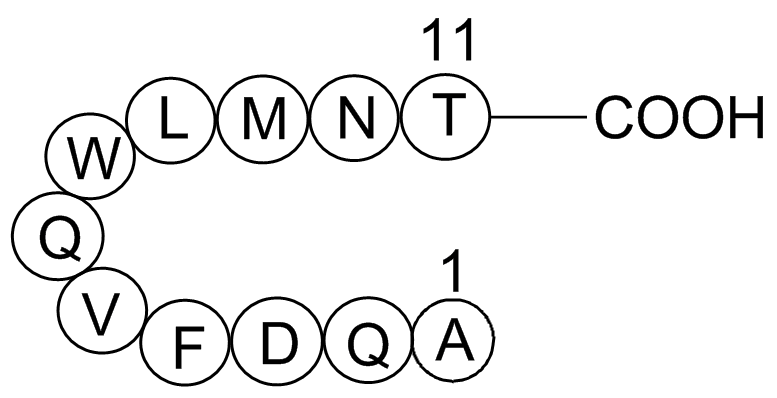
Toxoplasma gondii is an exceptionally tractable apicomplexan parasite that expresses a limited yet representative subset of apicomplexan cyclase orthologs, making it an ideal model for investigating cyclic nucleotide signaling in Apicomplexa. Of the five putative nucleotide cyclases, only TgACα1 and
-
Ras small GTPases are critical molecular switches that conne
2022-06-15
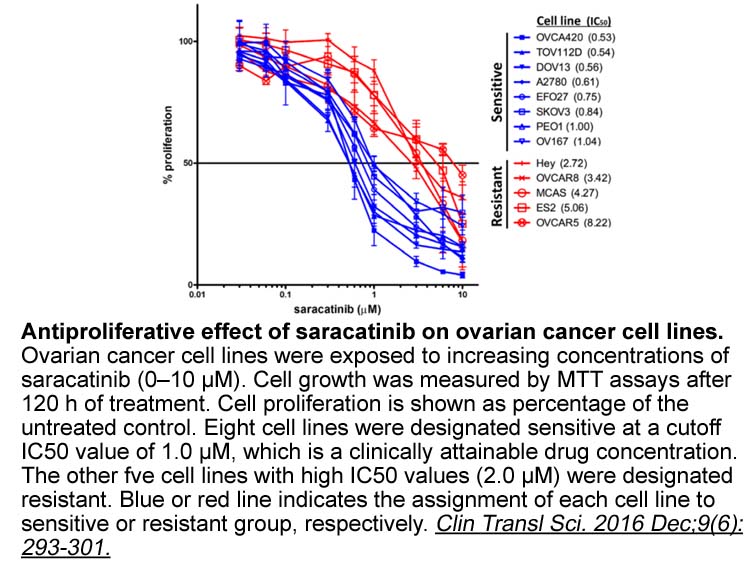
Ras small GTPases are critical molecular switches that connect extracellular signals to intracellular signaling pathways initiated by membrane receptors, such as growth factor receptors and G protein-coupled receptors (Simanshu et al., 2017). When shifting between active GTP-bound and inactive GDP-b
-
We hypothesized that modulating redox stress by altering end
2022-06-14
We hypothesized that modulating redox stress by altering endogenous antioxidant content (overexpression of catalase) and/or via dietary intervention will improve energy metabolism, adipose tissue function, and overall glucose and lipid homeostasis. To better understand the interplay between redox re
-
In the present study recipient
2022-06-14
In the present study, recipient oestradiol serum levels on the day of donor oocyte retrieval or warming were found to be significantly higher in the antagonist group and higher than 100 pg/ml in all cases. Serum oestradiol level has been reported to have no effect on endometrial receptiveness in ooc
-
During the structural transition the FD the PHD and the
2022-06-14
During the structural transition, the FD, the PHD and the TrD retain their tertiary structure. Nevertheless, they undergo large rearrangements in their relative orientation due to secondary changes in hinge segments (R1 to R5) which refold during the low-pH induced conformational change. Particularl
-
Previous studies have shown that zinc interacts
2022-06-14
Previous studies have shown that zinc interacts with other allosteric modulators at the glycine receptor (Kirson et al., 2013, McCracken et al., 2010, McCracken et al., 2013). Of note, the chelation of zinc via tricine decreases the effects of alcohol at α1-, α2-, and α3-containing glycine receptors
-
Excessive extracellular glutamate may induce excitotoxic neu
2022-06-14
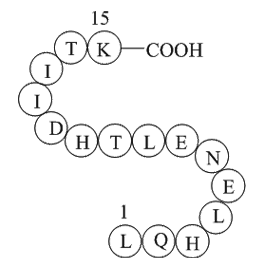
Excessive extracellular glutamate may induce excitotoxic neuronal damage in disorders of the CNS (Schwartz et al., 2003). EAATs are considered to contribute to prevention of excitotoxicity by glutamate uptake. Our data revealed that expression levels of membrane EAAT proteins in astrocytes are much
16093 records 455/1073 page Previous Next First page 上5页 451452453454455 下5页 Last page